CASE STUDY
Zenfulfillment
Connecting online stores to warehouse logistics through one platform
See how Aimprosoft helped a German fulfillment company replace manual operations, automate its warehouse, and cut infrastructure costs by 50%.
Foreword
Zenfulfillment provides warehousing and fulfillment services for eCommerce businesses across Germany. Their platform integrates with Shopify and WooCommerce to automate order processing and connect online stores to physical warehouse operations.
When we first got involved, their team of three engineers was managing nearly 40 repositories — covering everything from customer support tooling to production infrastructure. The main reason why we joined was to address the infrastructure side, but as work progressed and trust built, two of our full-stack engineers joined their daily development cycle.
Today, our collaboration goes on, and so are the further improvements of the Zenfulfillment’s platform.
Services provided
Backend development, Frontend development, DevOps & infrastructure support, Maintenance
Team
Full-stack developers: 2, DevOps engineer: 1
Duration
Since January 2024 – ongoing
Industry
Logistics, E-commerce fulfillment
Country
Germany, EU
Story
Zenfulfillment's goal was clear: develop a single platform that would automate order processing and logistics workflows for their clients. And that's exactly what they did.
But as the platform grew, so did the technical workload behind it. What had started as a solution connecting eCommerce with warehouse operations now required from its rather compact team constant development and maintenance, integrations, and customer-facing functionality.
At the same time, Zenfulfillment wanted to bring more warehouse processes into its own software instead of relying on spreadsheets and third-party tools.
The product had reached a point where it wasn't about adding new functionality but also strengthening the tech foundation underneath it. This is where our collaboration began.
Requirements & Challenges
Our initial focus was the infrastructure behind Zenfulfillment's platform. Manual deployments, limited monitoring, and a growing number of services made the existing setup increasingly difficult to maintain and troubleshoot.
But infrastructure was only one part of the challenge. Zenfulfillment was also scaling up its internal warehouse management system, supporting continuous eCommerce integrations, adapting workflows for custom client needs, and upgrading legacy codebases.
As our involvement expanded, our technical support grew to cover:
- Reworking infrastructure and deployment processes: Replace manual deployments with automated DevOps infrastructure using Infrastructure-as-Code (IaC), comprehensive monitoring, logging and autoscaling to improve system reliability and reduce operational overhead.
- Expanding the custom warehouse system Extend Zenfulfillment's internal warehouse software to reduce reliance on outside tools, including barcode scanning workflows, batch handling and label printing.
- Maintaining and upgrading ecommerce platform integrations : Support and improve integrations with Shopify, WooCommerce and XML feeds, including API updates, error handling and data syncing.
- Implementing customer-specific customizations at scale Build flexible service logic to handle customer-specific requirements—such as packaging methods, label formats, pricing rules and dynamic business workflows—while maintaining system scalability.
- Refactoring and maintaining legacy codebases Improve existing code quality, reduce technical debt, and improve maintainability to support rapid feature development and enterprise client requirements.
- Migrating API integrations Refactor their Shopify API integration by switching from REST to GraphQL to improve performance and data handling efficiency.
Features
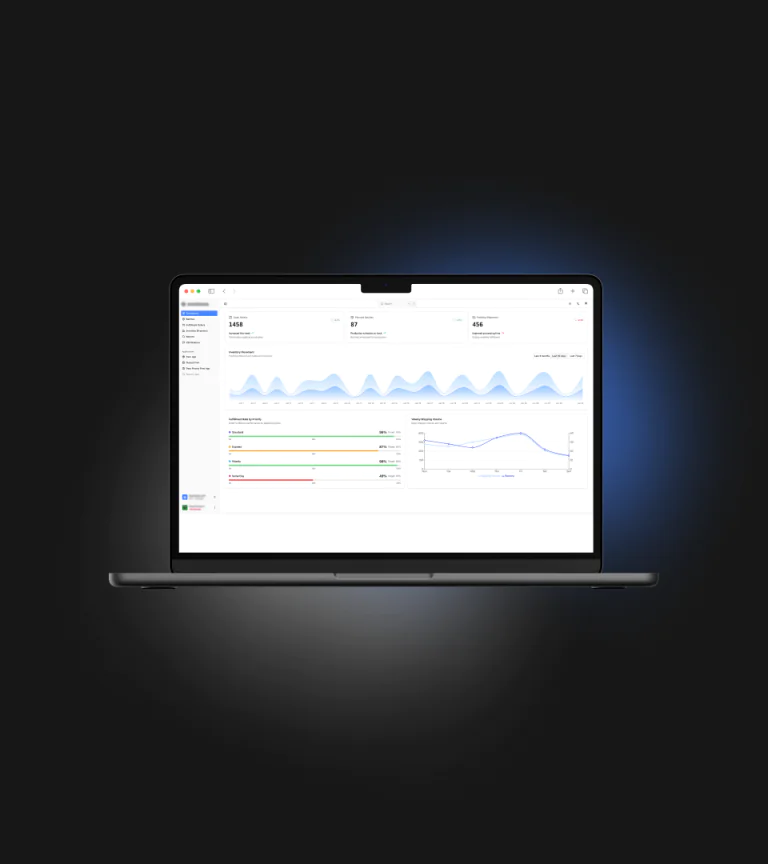
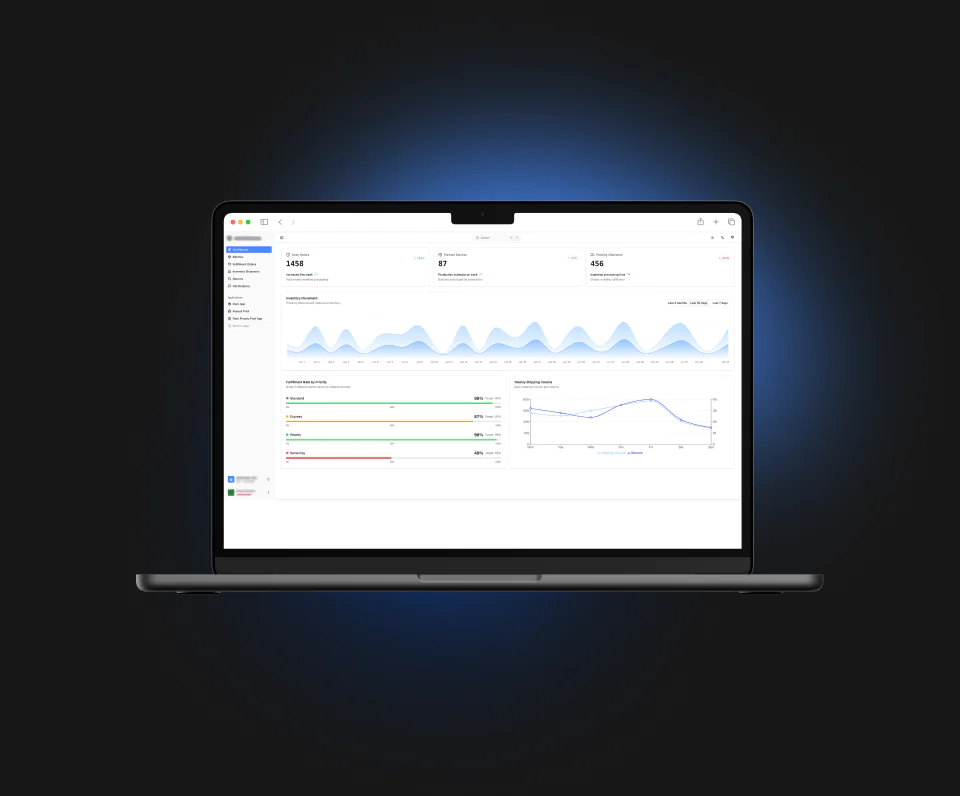
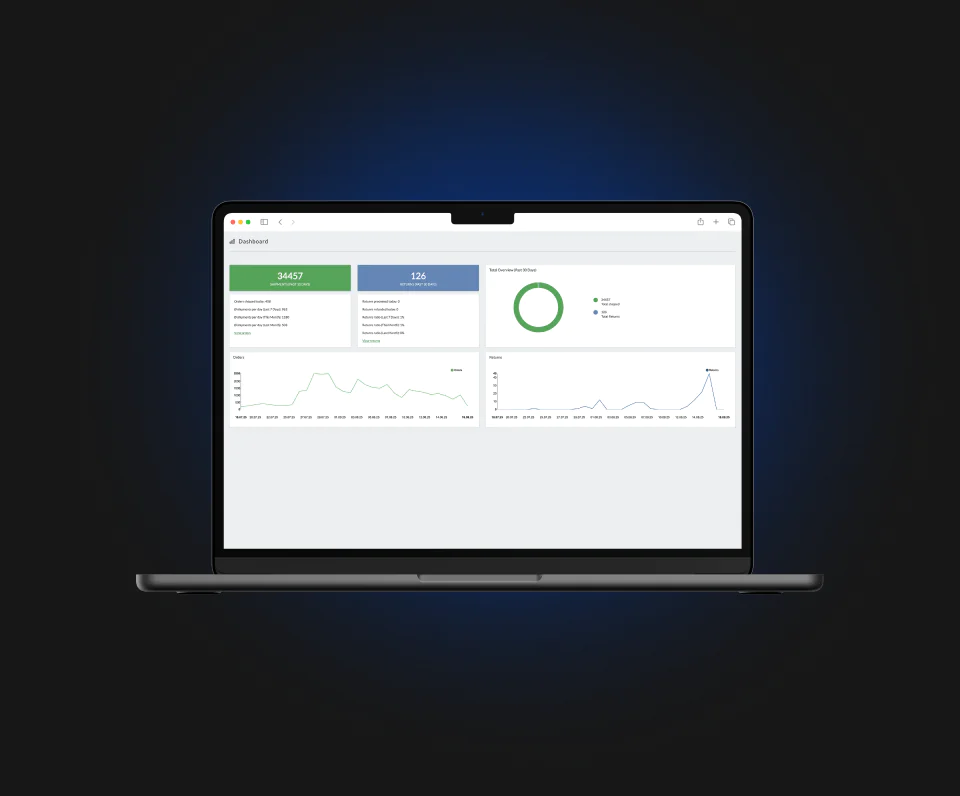
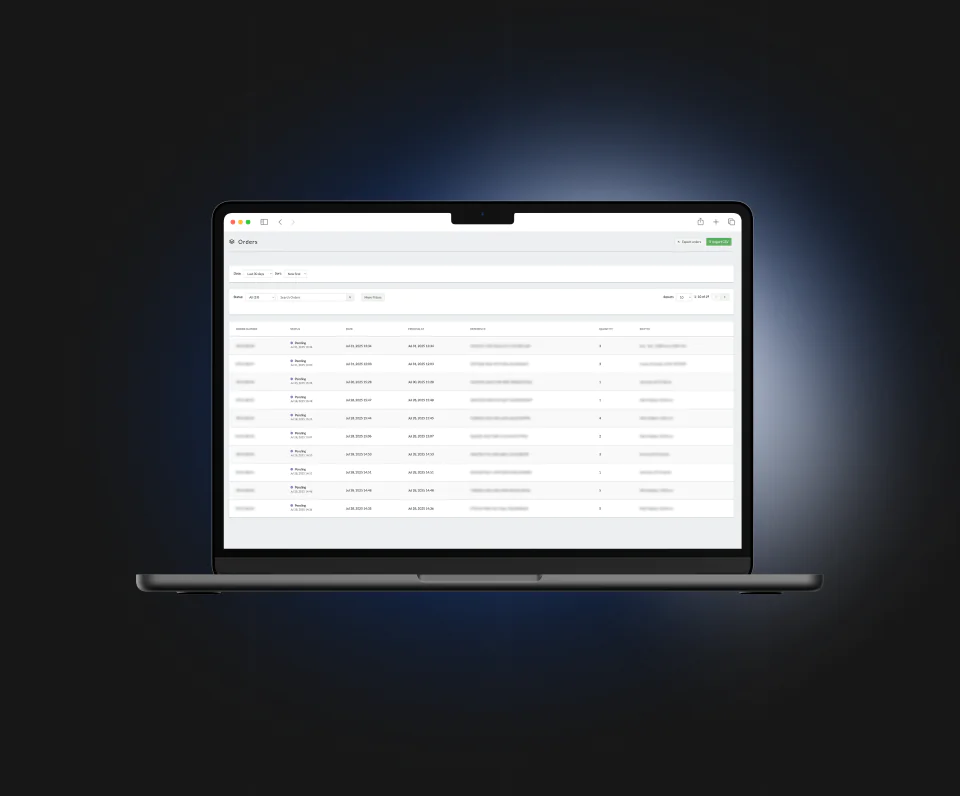
Customer dashboard
Features
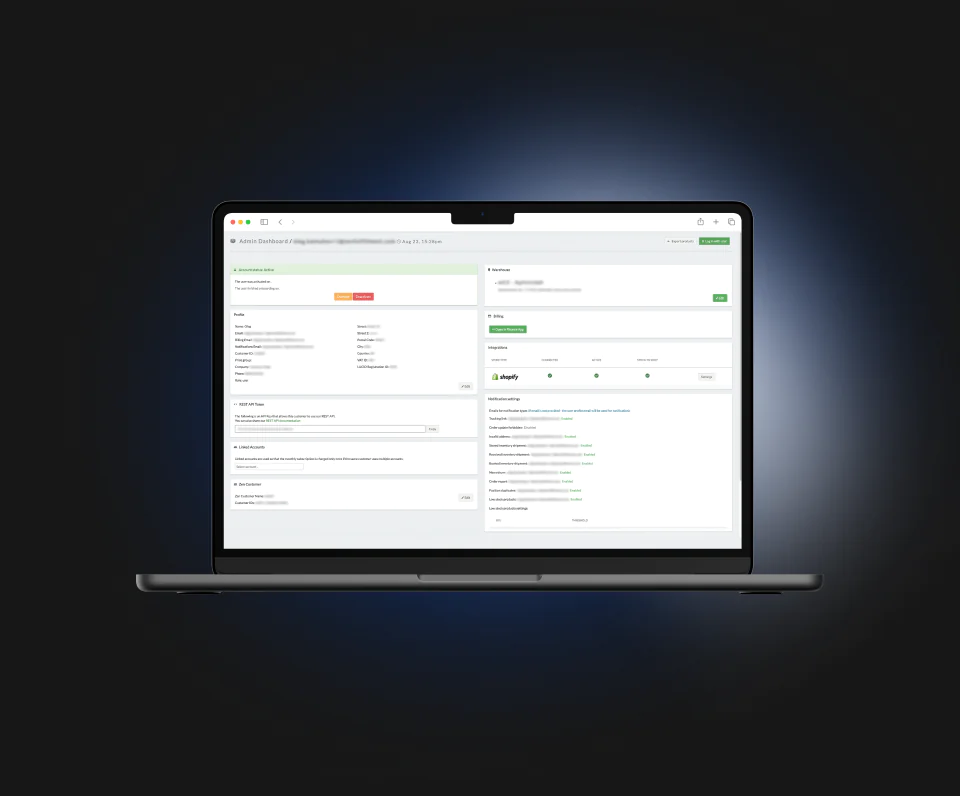
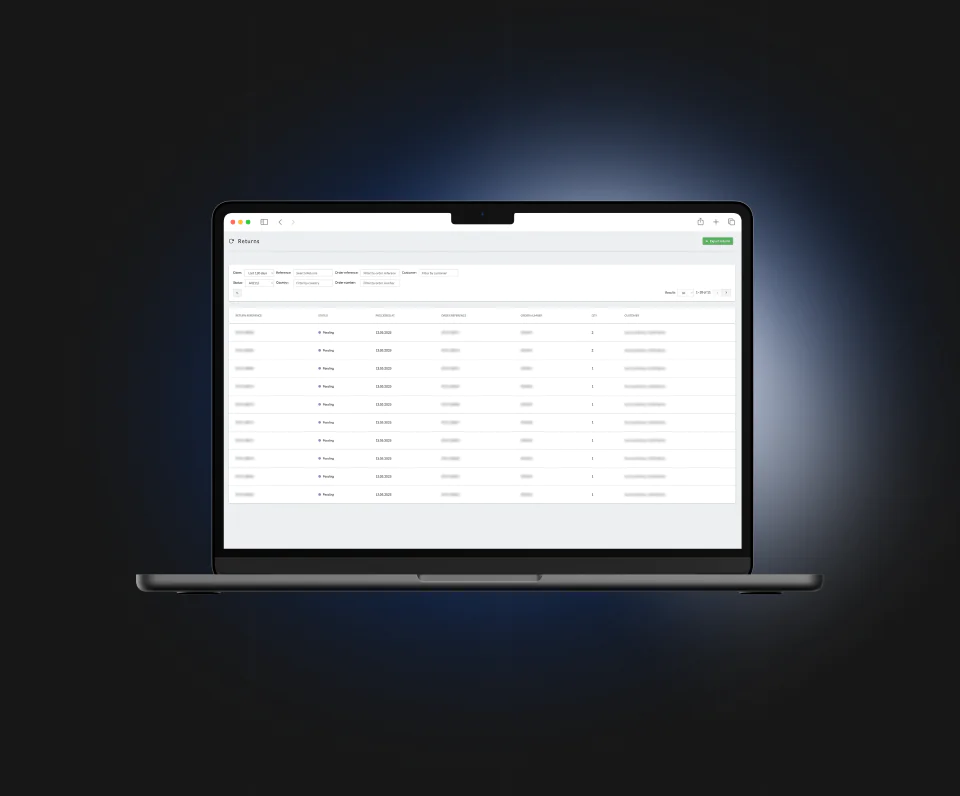
Admin panel
Features
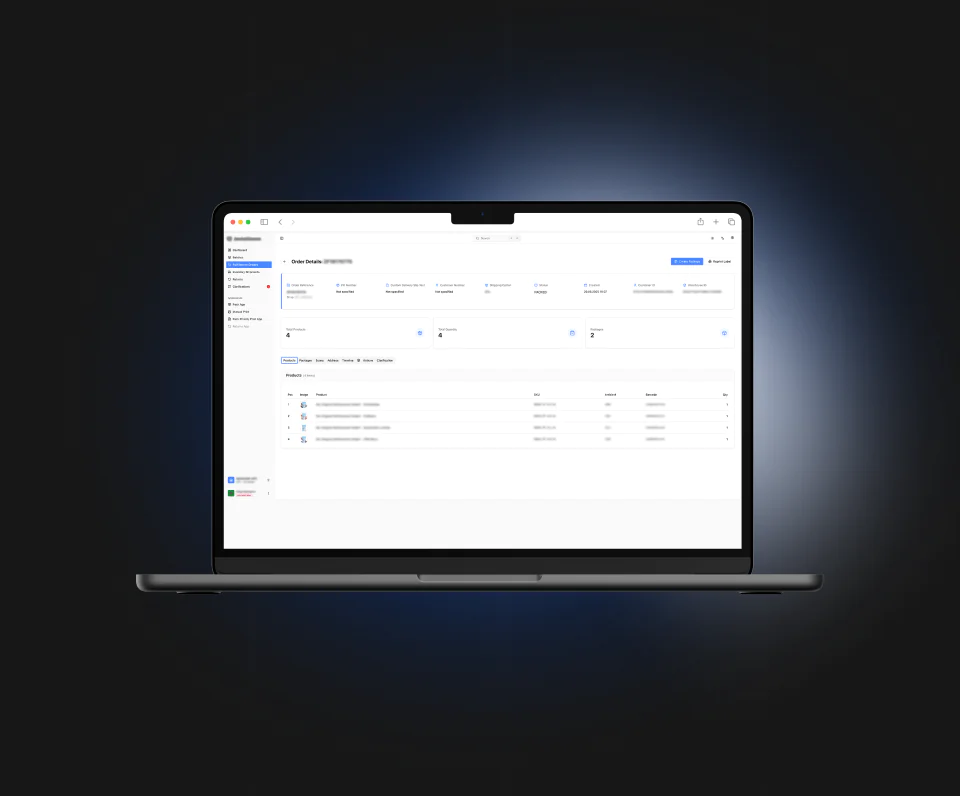
Warehouse Management System (WMS)
Features
Custom integrations
Features
Automated infrastructure
Features
Improved UI responsiveness
Stack
- - Frontend
- - Backend
- - DevOps
- - Third-party tools
Project outcomes
Better infrastructure and tighter platform quality have given Zenfulfillment the foundation to take on more clients, more complexity, and more volume. Thanks to our collaborative efforts, we were able to achieve these outcomes.
-
Scalable operations for enterprise growthZenfulfillment now handles over 20,000 monthly shipments across multiple regions, with smooth onboarding for enterprise clients regardless of fulfillment complexity. The platform scales to client volume without proportional increases in operational overhead.
-
50% reduction in infrastructure costsGoogle Cloud optimization and autoscaling cut operational costs in half, while eliminating the manual DevOps work that had previously demanded constant attention from an already stretched team.
-
60–70% fewer daily support ticketsImproved error messages, better UI flows, and client-facing self-service tools significantly reduced inbound support load — freeing technical staff to spend time building rather than firefighting.
-
Average fix time of less than one hourWhere outages once went undetected for days, the team now detects and responds to incidents in under an hour. Monitoring, alerting, and automated infrastructure made that possible.
-
Ability to support more complex clientsAdvanced customization capabilities help Zenfulfillment win and retain large e-commerce brands that require specialized fulfillment workflows. The platform can adapt to complex client requirements without bespoke development from scratch each time.
-
Future-proof architectureA modular platform makes it straightforward to add new features, integrate new tools, and adjust workflows as business requirements evolve — without rebuilding core components. Zenfulfillment enters each new growth phase with infrastructure built to support it.
We’ve received your message and will get back to you shortly.